Healthy Grieving Bootcamp – Step 1: ‘Be Honest About Your Pain’
Healthy Grieving Bootcamp Step 1 of 12
* * * * * * * * * * * *
Objectives: By the end of Step 1, you will:
1. Understand what you’re truly feeling.
2. Stop mislabeling your emotions.
3. Gain clarity instead of confusion.
Includes: HeartWork Guide with journal prompts , reflection activities & action steps.
Estimated Reading Time: 10-15 minutes
Listening Time: 14 minutes

Introduction
A broken heart is what happens when your mind, body, and emotions are trying to adjust to the loss of someone or something that once made you feel emotionally secure.
The absence of that something or someone can leave you feeling empty and may lead to despair, hopelessness, and even depression. On the other hand, that void can also become a place where self-reflection, spiritual growth, and healing begin.
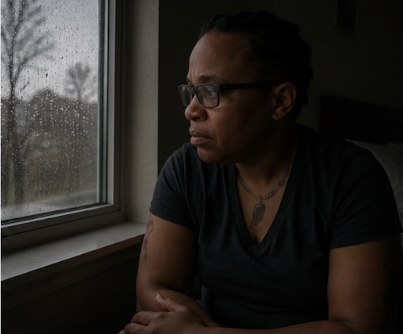
Understanding Depression
Depression doesn’t mean you’re broken. It means something in you is hurting and hasn’t been fully faced.
The sorrow you are experiencing can be a signal that something inside needs attention, honesty, and healing. It’s not something to be ashamed of. It is something to listen to.
Understanding depression is about recognizing what it feels like, why it happens, and how it shows up in your life.
What Depression Feels Like
A broken heart is a normal human experience, and not all broken hearts lead to depression. But it can become a concern when:
- You feel stuck, numb, or hopeless.
- The feelings last for weeks or months without relief.
- You lose interest in things you once loved.
- You isolate yourself.
- Your daily life becomes hard to manage.
Why Depression Happens
Depression can come from a mix of factors:
- Emotional wounds (breakups, rejection, loss).
- Unprocessed grief.
- Suppressed feelings (avoiding truth, hiding pain).
- Life stress or major changes.
- Biological factors (brain chemistry, hormones).
How Depression Shows Up
Depression affects people differently, but common inner experiences include:
- Emotional numbness (not just sadness, but feeling nothing).
- Mental heaviness (like everything takes effort).
- Loss of interest in things you used to enjoy.
- Shame or self-blame (“something is wrong with me”).
- Feeling stuck in the past (especially after heartbreak).

Depression and Healing a Broken Heart
Depression and a broken heart are deeply connected. Losing someone you love can trigger intense emotional pain that goes far beyond sadness. Over time, that pain can affect your sense of identity, purpose, and hope. Here’s why…
When you become attached to someone, they become a part of your everyday life. You get used to their presence, their calls, their messages, and simply knowing they’re there. So when the relationship ends, you don’t just lose the person. You lose a part of the life you had with them. That loss can leave you feeling abandoned and confused.
You may find yourself thinking about them constantly, wanting to reach out, replaying what happened, or wondering how you’re supposed to move forward without them.
God’s Invitation
A broken heart is often about more than losing a relationship. It can also mean losing:
- Your sense of identity.
- Your hope for the future.
- Your connection to God or your purpose.
When your heart feels empty, disconnected, or uncertain about what comes next, depression can begin to take root.
Step 1 of the Healthy Grieving Bootcamp is where you begin to find clarity, reconnect with yourself, and face your pain honestly.

My Healn’ Journey With Depression & Healing a Broken Heart
In my experience with depression, I became angry with myself because I could not come to terms with my breakup and move forward. Day after day, the sadness hovered and interfered with my mental clarity.
I refused to think of myself as mentally weak, and I was too embarrassed to reveal to my friends and family that I continued to be troubled about a relationship that had ended years ago.
For Your Healn’
Sometimes depression can grow when emotional pain is hidden or ignored. Healing begins when you become willing to face that pain.
Before you can heal the deeper parts of yourself, you have to admit that something inside you needs your attention. Otherwise, if you avoid it or look for fault in others, healing will not happen.
Truths About Healing a Broken Heart
Sometimes we relate to uncomfortable feelings as sadness when what we’re really feeling is rejection, anger, loneliness, disappointment, betrayal, or fear. Naming the emotion matters so that you can fully address it.
Step 1 asks you to slow down and get honest about what’s really happening inside you.
If you have experienced symptoms of depression, here are three powerful truths about depression and healing a broken heart that will help you begin your healing journey.
1. Your pain is not a sign of weakness. Sometimes depression can be connected to unhealed pain from the basic soul wounds we carry, like:
When those wounds are ignored or buried, they don’t simply disappear. They can stay beneath the surface and continue to affect how you think, feel, and live. Remember, you are not weak. You are wounded, and wounds can be healed.
2. You Can’t Heal What You Keep Avoiding
One of the biggest mistakes is trying to move on too fast. Avoidance looks like:
Healing begins when you stop running from the pain. The way to begin repairing your broken heart is to:
3. Healing rebuilds “you,” not just your heart
You’re not just healing your heart, you are letting go of who you used to be to become who you are meant to be. True healing means:
A broken heart is an opportunity to learn who you are, understand what shaped you, and heal the parts of yourself that have been limiting your growth.
To help face what is truly troubling you, download and complete Step 1 of the HeartWork Guide. Get ready to become aware of what you have been hiding within.
The journal prompts, reflection activities, and action steps will help you:
Set aside some quiet time away from the distractions of life so you can listen to what’s happening inside you and discover what needs nuturing.
Moving Forward
Today, you took one of the hardest steps in healing. You chose honesty!
You may not have all the answers yet. You may still feel broken, confused, angry, or lost. That’s okay. Healing doesn’t begin when the pain disappears. Healing begins the moment you stop pretending it isn’t there.
Be patient with yourself. Instead of judging your emotions, simply notice them. When sadness comes, acknowledge it. When anger rises, release it. When tears fall, let them. Every emotion you allow yourself to feel is another step toward freedom.
For additional support and guided activities that will offer some insight, download and complete Step 1 of the HeartWork Guide.
Your healing has already begun!
Continue Your Healn’ Journey
You’ve completed Step 1.
Today, you made the decision to be honest about your pain. You no longer have to pretend you are okay, distract yourself to avoid your pain, or wait for time to heal your heart. Being honest about your pain is only the beginning. You can’t begin to heal what you’re unwilling to uncover.
Healing doesn’t happen all at once. It happens one faithful step at a time. Thank you for taking another step in your Healn’ Journey. I’ll meet you in Step 2.
- Review the steps of Healthy Grieving Bootcamp: How to Heal a Broken Heart With 12 Steps: Healthy Grieving Bootcamp
- Take a peek at The Heartbreak Tour: a 7-article series showing how I experienced the stages of grief.
- Join our She Healn’ Circle for additional support, encouragement, and more…
- Explore the Soul Healn’ Series: 5 basic soul wounds that shape how you relate to the world around you.
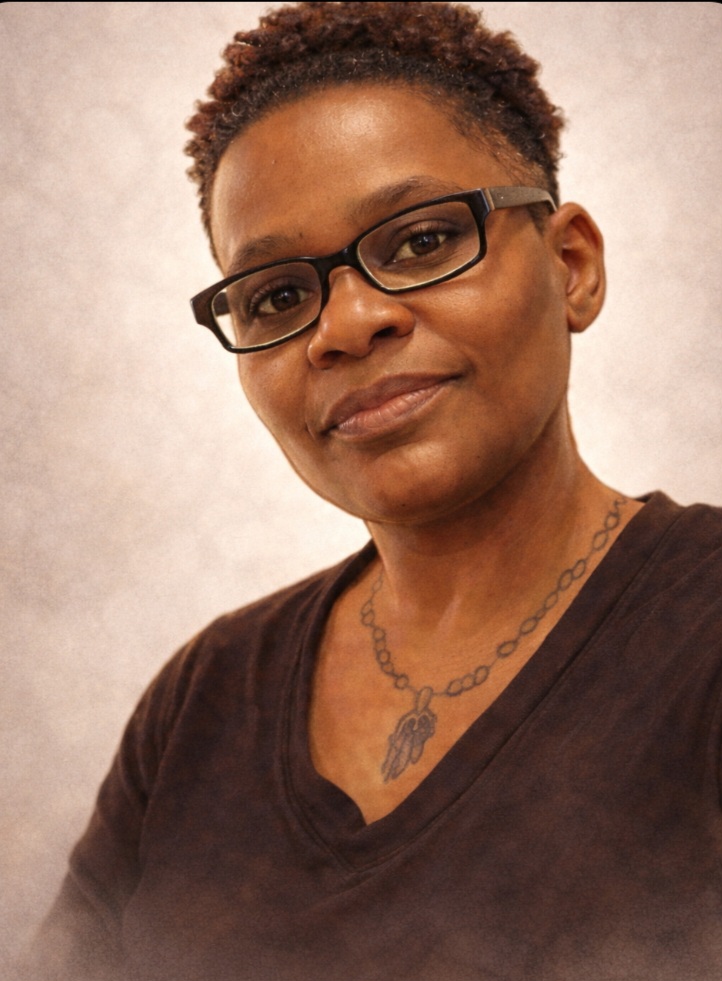
Danielle Nutter
I’m Danielle Nutter, creator of She Healn’ and the Healthy Grieving Bootcamp. After experiencing heartbreak, grief, and my own long healing journey, I learned that moving on isn’t the same as healing.
I created this space to share what I’ve learned and help others do the HeartWork of healing their hearts, rebuilding themselves, and finding their way back to wholeness.
Although my heart has been divinely pieced back together, I continue to find new practices to nurture my mind, body, and soul. This blog is my service to you. As I learn, I share. Enjoy my story…
Bravo! You’re awesome. Thank you for sharing.